
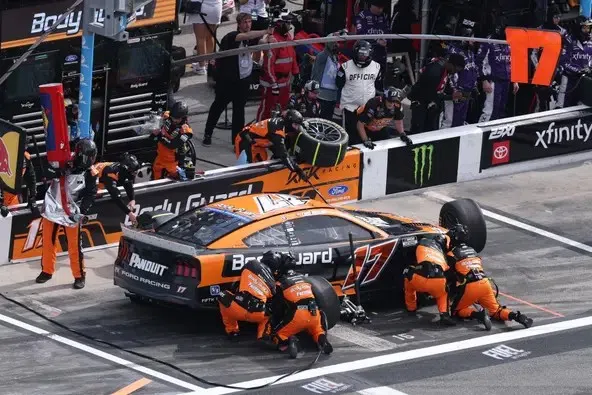
NASCAR is the first major U.S. motorsports series to utilize zero-carbon bioethanol, thanks to a new partnership with POET, the nation’s largest biofuel producer. POET is now the Official Biofuel Partner of NASCAR. POET Founder and CEO Jeff Broin said the partnership with NASCAR is the right place to show off the new zero-carbon fuel.
“Well, we believe NASCAR is a perfect place to showcase this new zero-carbon fuel. NASCAR has already driven more than 25 million miles on E15, putting it to the test in some of the most challenging conditions available anywhere. E15 already lowers harmful emissions, creating healthier conditions at the track for drivers, crew members, and literally every fan. So, we feel this is a home fuel advantage for NASCAR, powering a great American sport with a great American fuel.”
Broin said both POET and NASCAR are very excited about the zero-carbon bioethanol.
“Well, today we’re announcing the first zero-carbon liquid transportation fuel available at commercial scale. We believe, probably in the world, certainly in the United States. This is zero-carbon before the seed is planted until it comes out of the tailpipe. So, life cycle carbon emissions are zero. Gasoline’s right at 100. It’s a pretty remarkable announcement. This isn’t a future fuel. It’s here today, and it’s available commercially today.”
This is good news for corn farmers and everyone along the biofuel supply chain.
“Today, the industry uses more than five billion bushels of corn each year. That’s more than two times the amount we export. Between 2000 and 2025, ethanol corn demand tripled commodity prices and more than double land values. E15 and low-carbon fuels will drive that demand again, the demand for grain, increasing grain prices and land values, really, for every farmer. Looking at regenerative farming, which is cover crops, limited tillage, and organic fertilizer, coupled with CCUS, Carbon Capture Utilization and Sequestration, those two technologies are going to be critical to producing the lower carbon, higher value fuels of the future, and the one that we’re announcing today. So, we look forward to working with farmers to produce these new high-value, low-carbon fuels that are going to change the game.”
There will be some new farming practices needed to get in on the zero-carbon biofuel market.
“It’s going to require regenerative farming practices that lower the carbon emissions of the grain coming into the plant. That’s a critical part of making this ultra-low-carbon, zero-carbon fuel. So, it includes cover crops, strip till, no till, minimum tillage, as well as organic fertilizer, in a lot of cases, manure, organic fertilizer. And when we couple those three things with carbon capture utilization and sequestration, and of course, our feed credits that we get, we can create a zero-carbon fuel for the world. We believe people are going to be willing to pay a reasonable price for that, a premium for that, and that will be good for rural America.”
Interested parties or farmers who want more information can go to POET.com/zero.