
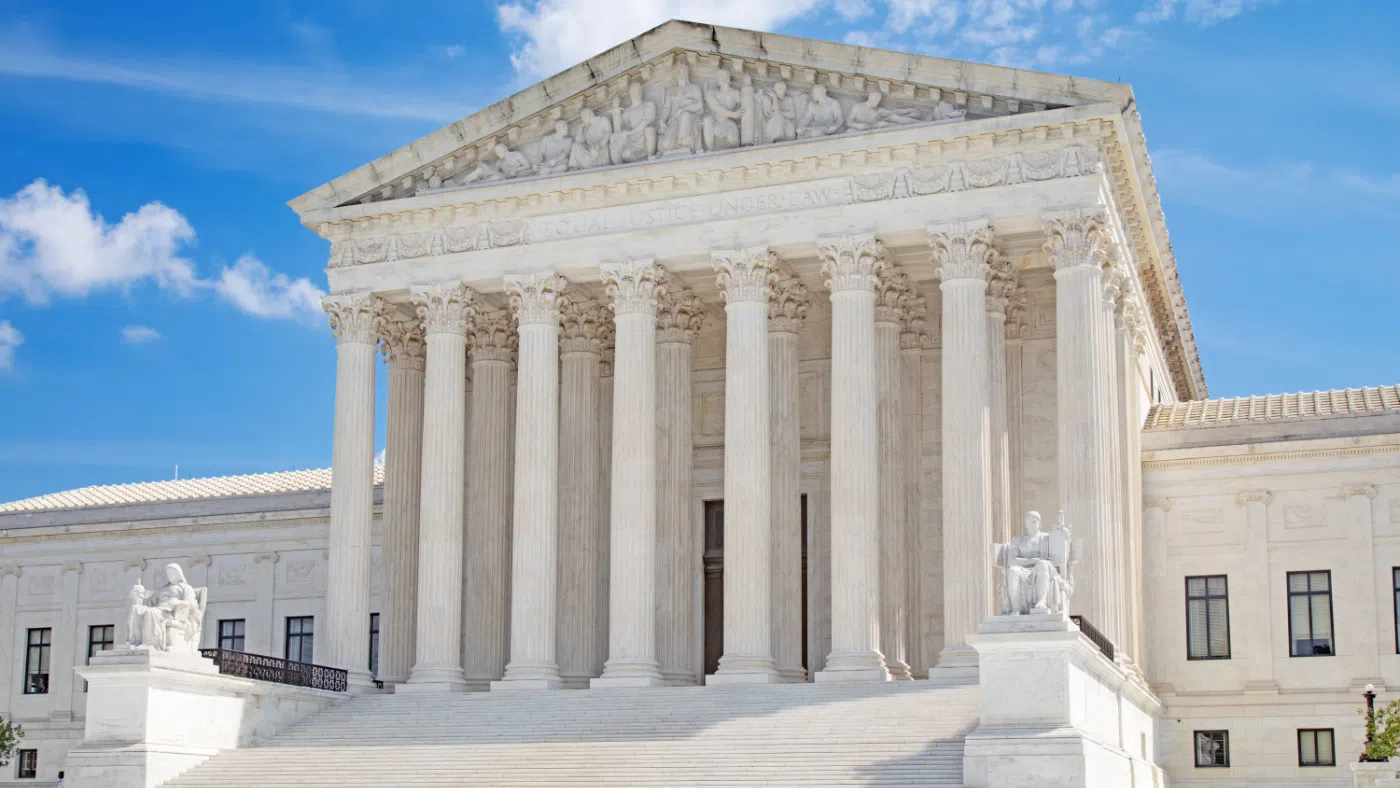
Reaction came swiftly after the Supreme Court’s Friday 6-3 ruling striking down President Trump’s tariffs, but many questions remain.
Iowa Senator Chuck Grassley expects trade deals made already that boost beef, pork, corn, soybeans, and ethanol to survive. But he’s cautious.
“I will bet you that a lot of these countries, however far they went in their agreement with the president, are willing to stay there, as long as they’re certain of it. And, of course, they could back out, but I don’t necessarily think they will, because I think trade with the United States is very important to them.”
And then there’s the question of refunding tariffs that add to the cost of farm inputs like fertilizer, seeds, pesticides, and equipment.
“The Supreme Court is silent on whether refunds will need to be issued for the tariffs that President Trump has already levied. It also didn’t address whether the president has authority under other provisions to impose tariffs.”
Trump said he was “deeply disappointed” by the ruling and announced a ten percent global tariff under Section 122, then upped it to 15 percent, and planned to launch several Section 301 investigations.
Grassley says Congress needs to reassert its constitutional power over tariffs, but says Trump’s alternative ones will likely survive while others would end up in court.
“It’s likely there will be additional tariff cases in the future, but members of Congress have not questioned past presidents or this one on their use of 1963 and ’74 legislation.”
This preceded the 1977 law the Supreme Court said only gave Trump power to regulate with quotas or embargoes, but not tariffs.
The American Soybean Association urged the president to refrain from imposing tariffs on agricultural inputs using other authorities.