
Well, as we talked about last week, pollen is in the air. Temperatures are in the 80s. And yes, this is not an April’s fools. It is a not June, and we’re going with this heat. How long is it going to last, and what impact is it having on the drought map? We got state citizen climatologist Corey Davis here. Corey, I’m seeing reports of an increase in droughts all across the state. Tell us more about that.
“Yeah, that’s exactly right, Kyle, and you highlighted a lot of the causes of this. We have been very warm over the last week. We have had some windy weather that has increased that drying even further, and there has not been a lot of rainfall over those last seven days. We saw some pockets of northeastern North Carolina that picked up maybe half an inch of rain. Aside from that, it was pretty much a bone-dry week across North and South Carolina.
“So as a result, we have seen an increase in the coverage of severe and extreme drought. Upstate South Carolina is now mostly in those extreme drought conditions. We’ve also seen the introduction of extreme drought in parts of far western North Carolina, and then across eastern North Carolina, most of the coastal plain had been holding a moderate drought for the last month or two. Finally, this week, they slipped into the severe drought category. So that is a downgrade from where they were last week.
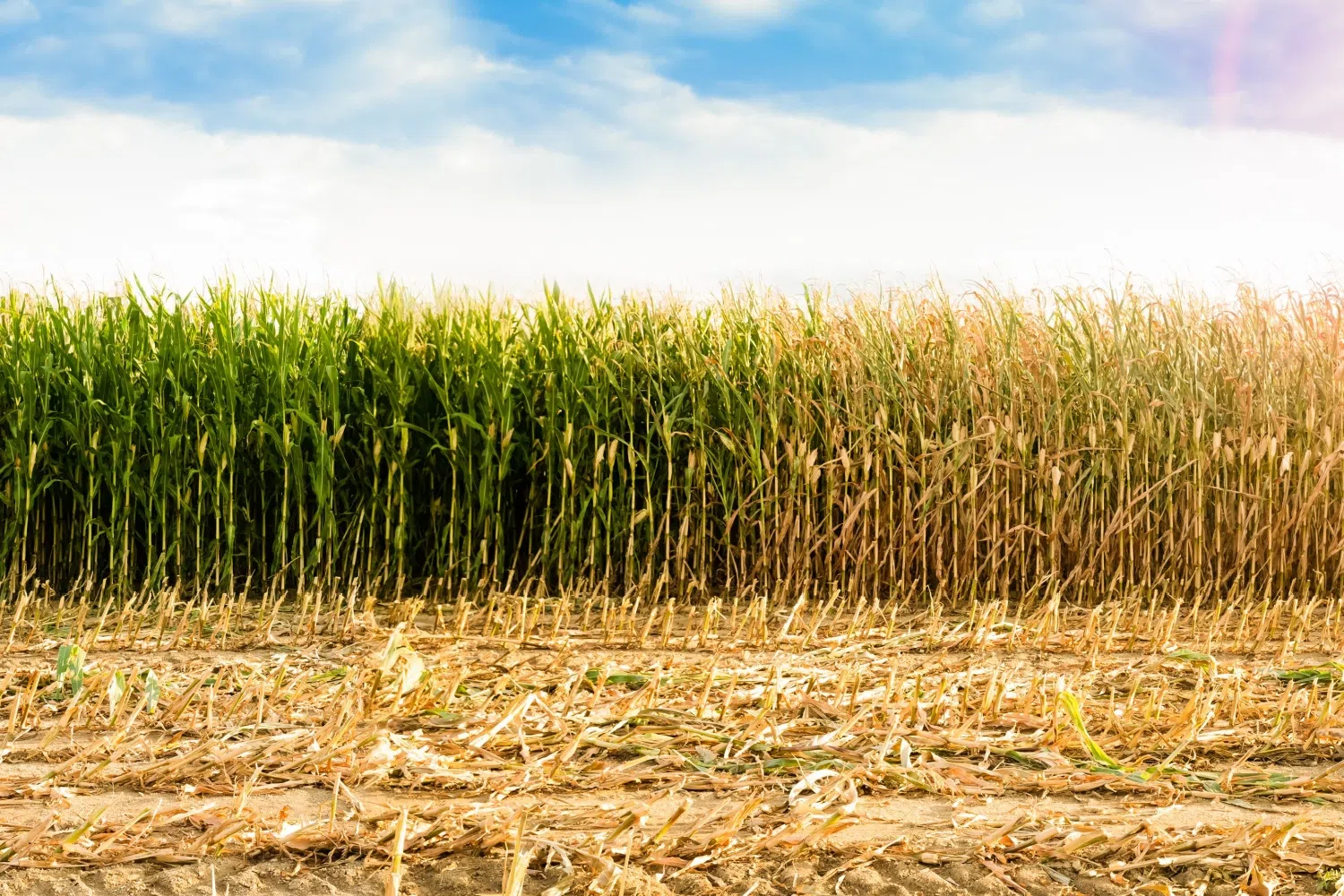
“In total, now we’re seeing almost 90% of North Carolina is in severe or extreme drought conditions. The last time it was that bad over that broad of an area was in the winter of 2008, and folks who were around back then will remember that was one of the worst droughts in our state’s history. So anytime we can find a parallel, make a comparison with that historic drought, you know that we’re in pretty bad shape now.”
Now, I did read a report it came out Saturday that North Carolina has implemented a burn ban. Give us more details about this ban and what not only farmers, but anyone needs to worry about with this burn ban?
“Yeah, that was one of the big stories and impacts over the last week as we’re seeing this expanding drought. Again, a number of factors have played into that. The big one is just that lack of rainfall over the last couple of weeks of March. Most areas just have not seen a good soaking rain to try to tamp down some of that dryness, especially in our forested areas. We’ve also seen that warm and windy weather. So, as fires have started, that makes it easier for them to spread unpredictably, and we have seen several large fires in the mountains of North Carolina.
“There was a 600-acre fire in Wilkes County and a 400-acre fire out of McDowell County. As investigators have looked at the source of these fires, they found one of them was started by cigar ashes. That seems like such a minor thing that most people would not think twice about, but when you get into a dry situation at this time of the year, it can have big consequences.
“So that’s one of the big takeaways for folks: Be very aware and very careful of anything that could cause a spark, whether that’s a cigarette, lighting a fire or burning debris in your backyard. Of course, that debris burning is covered by the current burn ban in North Carolina. Even things like having a chain dragging off your truck that could kick up a spark and light some grass on the side of the road — that is enough to cause wildfires at this point.
“We also look at the time of year. We usually expect to see more fire activity in the spring before vegetation is fully greened up and leafed out, and we’re right in that in-between stage right now. We’ve had some warm weather over the last month that has helped vegetation start the green-up process, but we’ve also had a few cold, frosty nights, and that has been a setback. So at least for the next several weeks, until we get that full green-up across the Carolinas, we expect to see that fire danger continue, and probably the burn ban as well.”
Now let’s talk about recent ag reports that have come out. How much has 90% of the state being an extreme or severe drought, and the spurred ban, how much effect has it had on the Ag reports?
“The big change we’ve seen over the last month and even the last week or two is soil moisture. Just to put this in perspective, coming into March, about 15% of soil moisture in North Carolina was rated as short or very short by USDA. Fast forward to the end of March, and the latest report shows 63% of topsoil moisture is short or very short. That’s almost a 50% increase over the last month.
“So again, that warm, windy, dry weather is just keeping those soils dry. It is sapping moisture, and we’re not getting enough rain to replenish it. Farmers are now looking ahead to when they can start planting, but as they get into the fields over the next week or two, they’ll likely find soils are just too dry in many places.
“One bit of good news is that it looks like we’re out of the woods for the last spring freeze. The next couple of weeks are looking very warm, with overnight lows more in the 50s than the 30s. So, we probably will not see another freeze, at least across central and eastern North and South Carolina this season. That at least opens the door so that when we do get moisture, planting can begin.”
It seems like we’ve been talking negative about the burn bands, the droughts, and it’s like no hope on the horizon. What are the experts saying about this drought? And point blank, are we going to get out of it anytime soon?
“Yeah, during our North Carolina drought call this week, there was a general sense of resignation that we are in this drought pretty deep right now, and we can’t just wait for one or two good rain events to fix it. These impacts are very much entrenched. Looking ahead through April, there are not a lot of strong chances for rain. It looks like more warm and dry weather, similar to what we had in March.
“I do think eventually we will see a pattern change, maybe late spring into early summer, when we can get more regular rainfall. That was the case last year. But in this case, it will take many months of steady rainfall to really chip away at this drought. It may be mid- to late summer before we see meaningful improvement.
“As another sign of concern, some reservoir operators, especially in western North Carolina, are worried they won’t meet their summer target levels. Usually by early April, those levels start rising, but with current conditions, that may not happen. That doesn’t mean we’ll run out of water, but we could see more recommendations for water conservation in the coming weeks.”
All right, let’s take a look at the forecast for this weekend and into next week. Is there any sign of potential rain to try to even put a small little dent in this drought?
“Well, we do have a few more 80-degree days ahead through the weekend. We’ll be in the mid-80s this afternoon and again on Saturday. By Sunday, temperatures will start coming down as a cold front moves in, and that will bring our best chance of rain for the week.
“There is still some uncertainty with timing, but most areas could see about a quarter to a half inch of rain. That’s not as much as we’d like, but it’s more than we’ve had recently. Behind that front, temperatures will drop back into the 60s on Monday, with overnight lows in the 40s. So, we’ll get a brief break from the summer-like weather.
“However, by later next week, it looks like we’ll warm back up again. And overall, April is shaping up to be more warm than cool and more dry than wet, so we’ll likely get used to this summer-like pattern over the next few weeks.”