
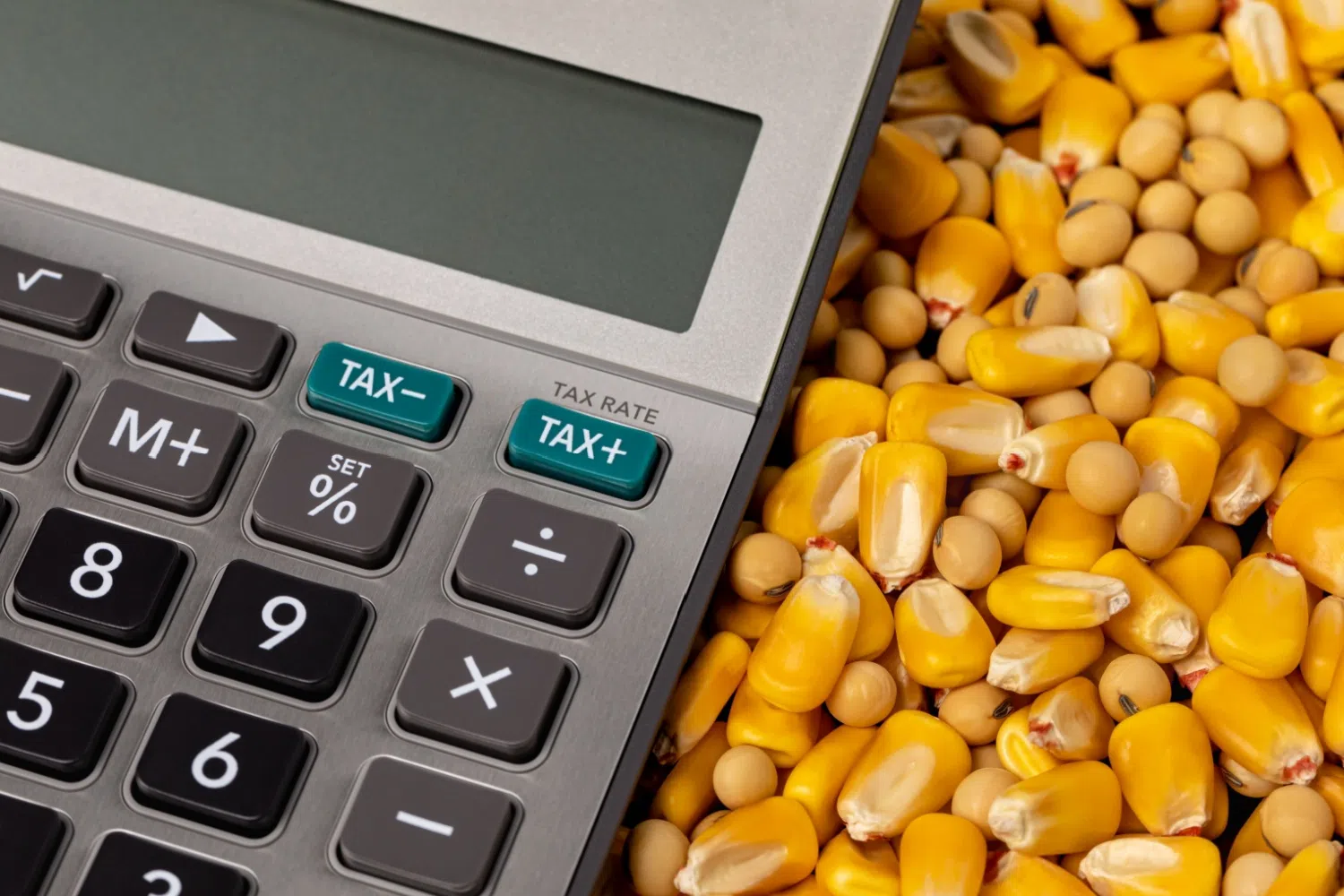
For many corn and soybean producers, 2025 was a year of tightening margins and negative returns. USDA’s announcement on December 31st confirmed help is on the way in the form of flat-rate per-acre cash payments. Corn will receive $44.36 per acre, while soybeans sit at $38.88. University of Illinois agricultural economist Nick Paulson says the checks will provide much-needed clarity for farmers and their bankers.
“I don’t know if the specific numbers themselves are as important, it’s just now we sort of have the certainty in terms of the level of support that producers can expect—and maybe even more importantly, that producers’ lenders can expect to receive from this bridge program here in the next six to seven weeks.”
According to Farmdoc Daily from the University of Illinois, an average 1,500-acre Illinois grain farm can expect to receive just over $56,000 in total support. But does this bridge actually lead to profitability? Paulson said it depends on where you are, and he uses Illinois as an example. In Northern and Central Illinois, the bridge payments, combined with expected ARC and PLC support to be delivered next fall might push some averages to break even. However, for Southern Illinois, the outlook remains bleak.
“Southern Illinois, we’re still looking at an average return that would be negative, even with the bridge assistance and ARC, PLC, and crop insurance. You know, but again, I’m trying to be more careful when we talk about those things because those are averages, and so, you know, there are — you know, half the farms are below that average, half the farms are above that average, so there are definitely still farms that that bridge payment will not make them whole. And there are also farmers that, you know, are going to be doing even better than break-even because of these bridge payments.”
Unlike previous programs that were paid out in tranches, the FBA is expected to be issued in one full installment by the end of February. This immediate liquidity is critical, but Paulson cautions against using it for farm expansion or bidding up cash rents. Instead, he suggests farmers should use the funds to address existing debt or bolster working capital, as the 2026 forecast looks like a repeat of recent lean years.
“You know, they recognize that this is a short-term Band-Aid. You know, there’s no doubt that a lot of farm businesses are going to benefit in the short-term and arguably need this support to get through to the 2026 crop year, make sure that crop gets in the ground. But in terms of, you know, using these things to bid up cash rents, make further investments in the farm, you know, if I was giving advice to a typical operation, particularly one that might be in more of a financially-stressed situation right now, I’d be looking at probably paying down debt or, if that’s not necessary, you know, putting this into savings, holding it as working capital.”
That’s because the outlook for the 2026 crop year appears to be a continuation of the financial challenges seen from 2023 through 2025, with many Midwest row crop grain farms facing projected negative average returns.