
Well, it’s been a couple weeks since we’ve seen rain here in the Carolinas, and now we’re starting to see the effects of the lack of rain. Rivers and lakes are starting to drop lower and lower, and we’re seeing the chance of exceptional drought starting to creep back onto the drought map. We’ve got State Assistant Climatologist Corey Davis here. Corey, talk to us about the update. Do we have exceptional drought starting to creep in anywhere around North and South Carolina?
“Well, Kyle, we liked the way that we finished off May. Of course, we had several days of rain over that Memorial Day weekend. Unfortunately, June has not been as cooperative. Like you said, it has been very dry through the first couple weeks of the month. Over the last week, places outside the mountains essentially saw no measurable rainfall, and that includes the Triangle area.
“So, as a result, we do have exceptional drought back on the map in North Carolina this week. Right now, it is running between Guilford County and Durham County, really right along I-85 in that stretch. Kyle, I know that’s part of your stomping grounds there in southern Alamance County, so you’ve probably seen firsthand some of the impacts that it’s having.
“But when you think about this region where this exceptional drought has emerged, it’s right along the upper stretches of the Cape Fear and Neuse river basins. And that means these areas are not getting the rainfall they need. That means the lake levels, including Jordan Lake and Falls Lake and some of Durham’s reservoirs, are continuing to drop further and further below normal.
“As of this week, Falls Lake is about 5 feet below normal. Now, that’s still about 4 feet higher than it ever got back in 2007. So we’re not at those 2007 levels just yet. But again, knowing that we are only in the second week of summer, knowing that it is going to be hot over the next week, that doesn’t give us a lot of confidence that we won’t see at least a leveling off. I think it may continue to drop even further until we can get some better rain.
“So that’s the big story this week. Unfortunately, more drought degradation, with exceptional drought emerging in the northern Piedmont. Farther east, we are seeing more extreme and severe drought on the map this week.”
Yeah, you’re right. Alamance County is my stomping grounds, and I pass the Haw River almost daily, and I see it going lower and lower. Sometimes I’ll see Jordan Lake over in Chatham County, and for the first time I’ve seen shorelines because normally the water goes into that tree line area for a little bit. But I’m starting to see more and more shoreline over on Jordan Lake. So that drought is really affecting not just the big rivers and the big lakes, but also little ponds and little lakes as well. But we need to talk about the significant impacts because of this drought and because of the water levels starting to recede.
“That’s right, and the water levels are a good place to start when we think about the impacts. You mentioned the Haw River. It is at record-low levels for this time of the year right now. And up in Durham County, we have seen some of the smaller creeks and streams, like Goose Creek, hit zero flow over the last week. That means there is no water flowing through those streams and creeks. So again, that is a very dire situation that we don’t see often. That tells us how dry it’s been.
“We have seen other impacts in different parts of the state. Last week, we saw a large wildfire ignite out at the coast in Hyde County. It has burned more than 450 acres so far and is only about 20% contained.
“And for folks who were around back in 2008 or 2011 during those drought events, this will seem familiar because as we get into the summer months in a drought, we can start to see these large wildfires down at the coast. These are areas where they have fairly deep organic soils. Usually, the water table is high enough that those areas don’t burn. But during a time of drought, the water table drops. Those soils are very flammable. They will burn and smolder easily, and that’s exactly what the Forest Service and its partners are dealing with. This fire is burning deep into the ground. There is dry vegetation in that area that’s helping it spread, and the weather has not been cooperative, not really bringing any rain to help get that fire under control.
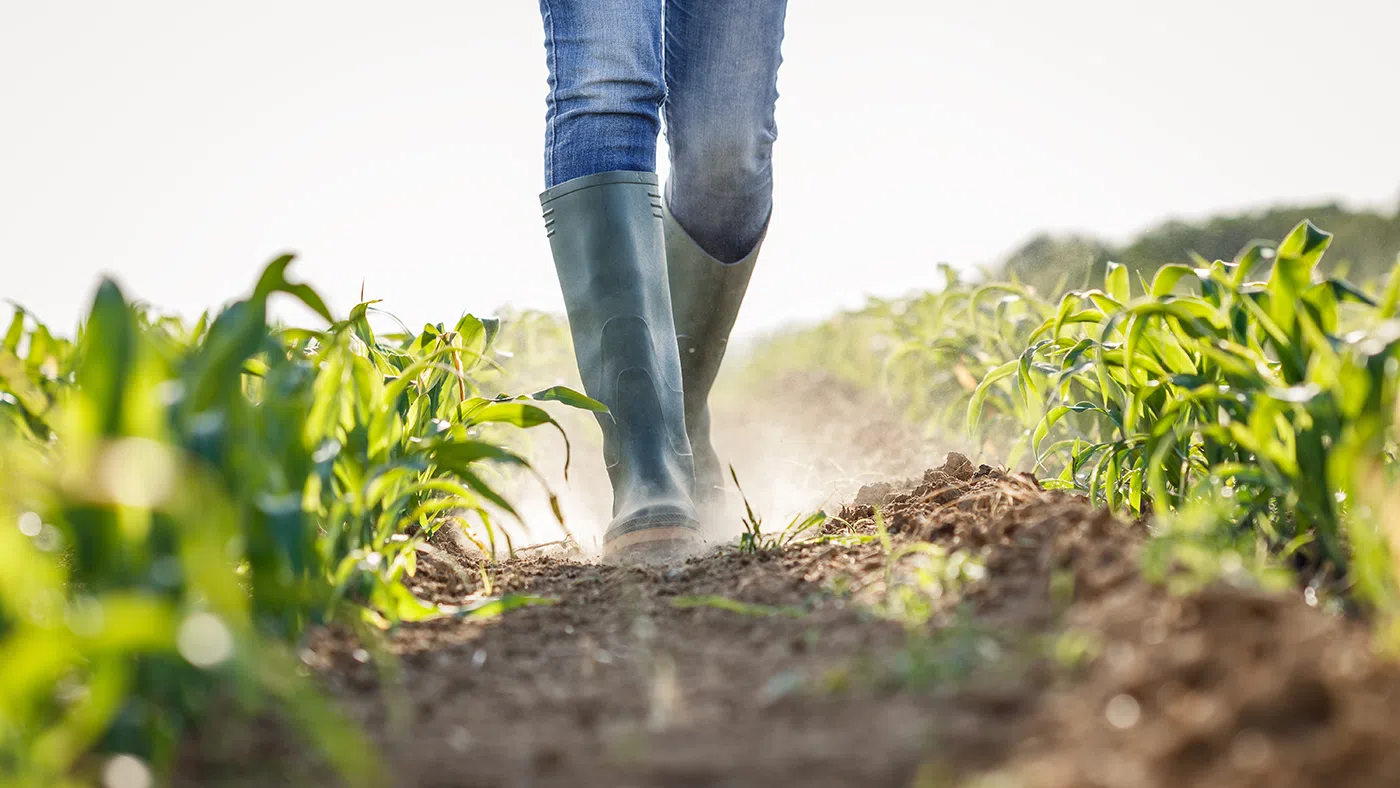
“We’re also hearing more about agricultural impacts this week. We know the farmers really benefited from the rain we saw back in late May, but with the dry weather we’ve had since then, and the hot weather as well, most of that moisture is really gone.
“We talked last week about the soybeans and how it looked like that was really timely rain to get those soybeans started. Now we’re hearing that some of those soybeans are struggling to emerge. The corn crop also is in a really critical time of the year. It usually needs lots of rain here in June during that silking period. Instead, right now we’re hearing that some of the corn leaves are rolling and twisting. That’s the way those crops are trying to reduce the surface area exposed to the sunlight and hold on to as much water as they can.
“Also, we’re hearing that a lot of farmers who can’t irrigate are really struggling because they don’t have the irrigation water or the water levels in their ponds that they need right now.
“And then probably the biggest impact this week is for the hay fields, the pastures and the cattle producers. It looks like the hay has just not grown like it should have this year. A lot of the farmers are already starting to feed hay that they’ve stored up, and there are now concerns about critical shortages in hay going through the rest of the year. Again, that is a 2007-level impact from that extreme and exceptional drought event, and we’re already seeing it here in the second week of summer.”
So, before we talk about the forecast for the weekend coming up, let’s take a quick look over at the tropics. We know last week there was a storm forming over in the Pacific basin, and I read an alert yesterday saying that El Niño has officially arrived. What’s the tropics look like, and do we have any potential for development over the next week?
“Well, you know, Kyle, we talked last week about how these two patterns are very much connected. We’re seeing that warm water associated with El Niño out across the Pacific Ocean. That warm water extends far enough into that tropical basin in the eastern Pacific, and that has fueled a flurry of activity. They’ve had three named storms already so far in their hurricane season, and some of the forecasts had actually shown the remnants of one of those storms, Tropical Storm Cristina, possibly moving over Mexico into the Gulf and maybe even becoming a storm in the Atlantic.
“Now, the chances are pretty low for that. The Hurricane Center has only given about a 10% chance of formation over the next few days. But again, that is the first real sign of life in the Atlantic this year. That means there is warm water in the Gulf. That means there are the disturbances in the atmosphere that we need to kick-start that tropical development.
“I’ll say that even if this storm does form, it is very unlikely to have any impacts on us. That will be much farther south. So some of the rain that we desperately need and hope for out of the tropics is not going to come, at least this early on.”
Well, let’s take a look at the forecast. Do we have any rain that could help alleviate this drought coming this weekend?
“Well, that’s probably the silver lining in the forecast and the only bit of good news we see over these next few days. We will see better chances of afternoon showers and thunderstorms today, but especially tomorrow and then into Sunday and Monday. It looks like that could be the best chance of seeing some rain. Most areas could see a half-inch to an inch. We’d like to see even more than that because it is going to be hot as well.
“We’ve already started feeling that this week with highs in the 90s. It should make it to the 100-degree mark this afternoon and then stay in the mid- to upper 90s through the weekend. It looks like maybe by early next week we could have a cold front moving in that could at least drop our temperatures back a few degrees, and continue some of those rain chances through the middle of next week.
“So, for now, just be prepared for the heat. If you’re going to be outside this weekend, try to keep that duration in small amounts because this is the sort of extreme heat that we’re not used to at this time of the year. Again, we are only in the middle of June right now. This is very much midsummer-like heat that we will be feeling over the next few days.”