
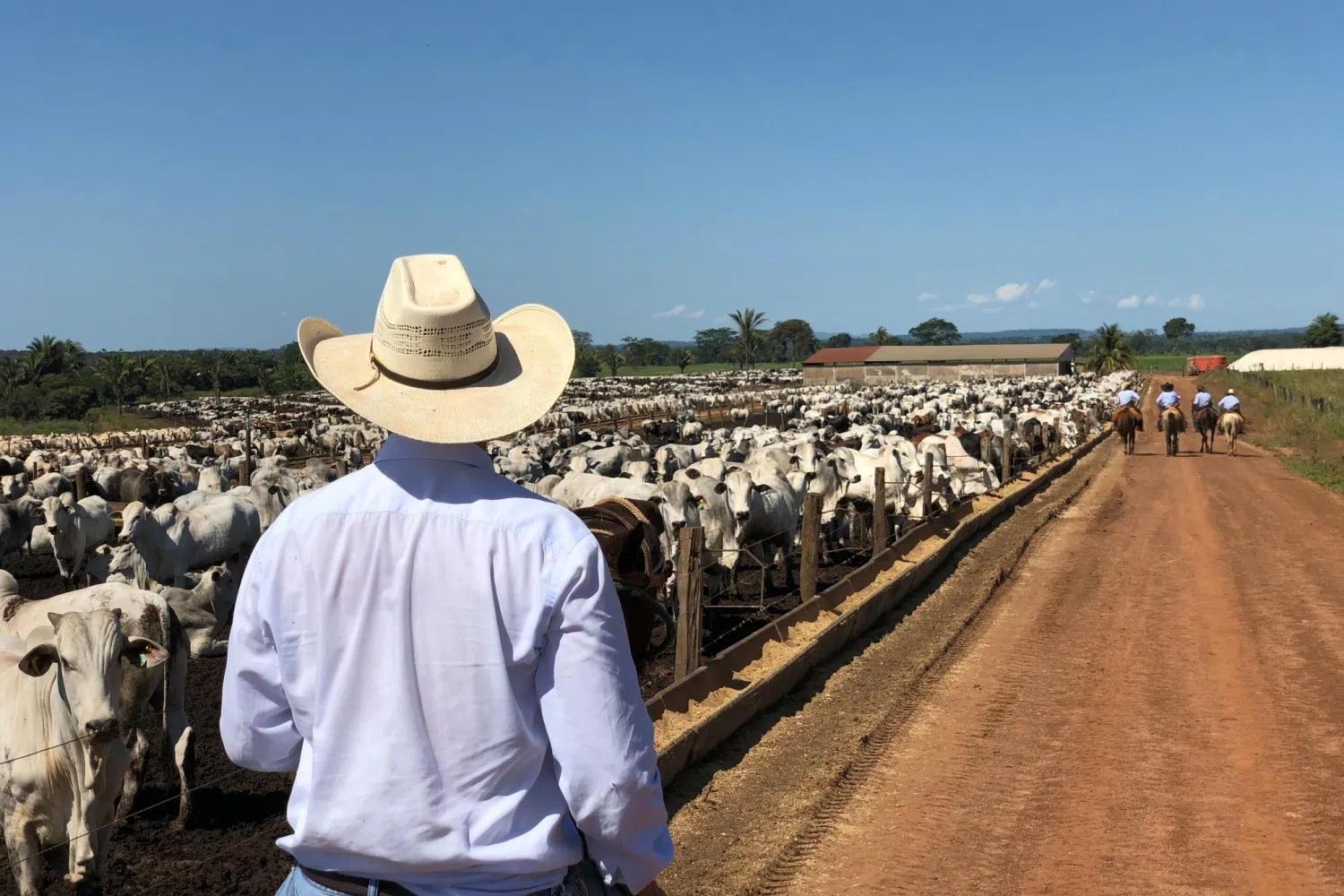
President Donald Trump’s plan to lower the tariff on 300,000 metric tons of Argentinian beef imports is not generating a positive reaction from U.S. agricultural stakeholders. During an appearance at the Iowa State Fair, Ag Secretary Brooke Rollins talked about the reasons behind the decision to allow the beef imports.
“We closed the ports because of the New World Screwworm 14 months ago, and that was my decision with the president’s backing. I had a lot of people pushing against that month after month after month. You’re keeping a lot of cattle out of America. It’s driving the cost up for beef. And my response to that was, well, yes, but if we don’t protect our herd, things are going to get a lot worse, and we’re going to lose a lot more ranchers. And so, over those 14 months, the number is just over a million head did not cross into America.”
She said closing the border meant the U.S. was seriously short on cattle numbers.
“A million-plus head stayed south of the border. Not one crossed through one port. There are only three active cases of New World screwworm after two and a half months in America. It’s a great success story. We’re not done yet, but we’re close, and so I stand by those 14 months. But what that 300,000 metric tons represents that the president announced is about 500,000 head of cattle, so we’re still less 500,000 head of cattle today than we would have been if we’d kept the ports open. And this is all lean, right? So, it’s not the really good cuts that America is so good for.”
Rollins said she understands the importance of getting the U.S. herd rebuilt.
“I will never stop battling for our farmers and our ranchers, and ensuring that our president fully has every data and detail that he needs to understand. And he does understand. Unless we rebuild our beef herd, we will become more and more reliant on foreign countries to feed and fuel ourselves, and that is, as I’ve mentioned, an absolute no-go as we’re working to bring all of this back to America. So, all of this is in balance. I, of course, am the president’s secretary of agriculture; he hears from me a lot on all of these issues, but once a decision is made, I understand the decision and defend the decision and look forward to continuing to rebuild the herd, while making sure that we can continue to be able to explain this.”