
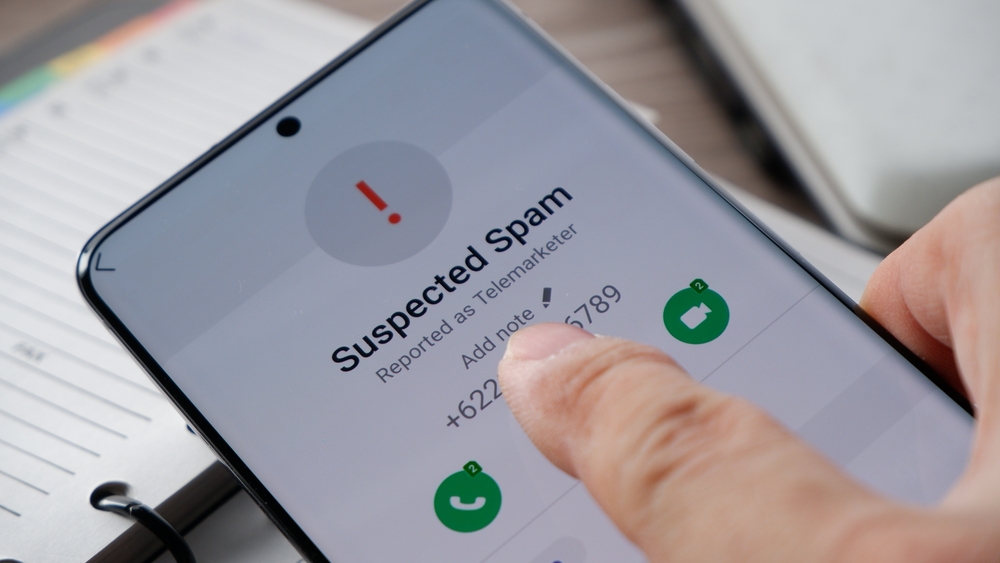
Are you getting tired of spam, scam and fraudulent communications like this again? No wonder. According to Kansas State University Extension expert Elizabeth Kish:
“Probably every day we get at least one potentially fraudulent or scam communication, and it can be through the phone, email, can be a website or even now other social media.”
But also, videos on social media feeds and entertainment content distributors also contain algorithms that could obtain information that might increase the chance of such communication.
“But people are monetizing those, but then they can also be used in other ways.”
So, what are some red flags for potential scam tactics? First:
“The scammer might pretend to be from an organization that you know or that you’re involved with. Could also be charities that you contribute to.”
Then there is the pressure tactics involving a time deadline.
“A scammer could also try to indicate that there’s a problem with something that needs your attention and that you have to take care of it immediately. Sometimes that happens in terms of home repair or something related to a disaster. If it’s on your computer, you might get this urgent message that you have to do something immediately. Click on this link, and it really might be a virus that could infect your whole computer. If ever you feel pressured to act really quickly or immediately, that you don’t feel like you have enough time to think through and action that you want to take or should take. That’s a really good indication that it could be a scam.”
And what about the one where you received notice that you owe money?
“And that there’s only one way to pay, and they want your bank account information. Most of the time, if people are asking you for money, there are multiple ways to pay, and you really do want to verify that you actually owe the money if it’s not something you’re expecting.”
Kish says yes, some smartphones indicate spam calls so you can block or delete or report or whatever action you need to take to protect yourself. But for that unsolicited text or email, or even a call from an unknown phone number, she offers this advice.
“I don’t want to take the chance. If I don’t want to interact with it right now and it seems a little bit iffy, then I just delete it. So, I don’t even open the whole email or the whole text. Text messages like delete and report as spam.”